
As 2025 draws to a close, global markets are anything but calm. Investors are weighing the prospect of a freeze in Ukraine, an uneasy U.S. – China thaw, and an oil market delicately managed by OPEC+, all while central banks tiptoe into year‑end with incomplete data. These threads have driven a swing back into risk, a softer dollar, and, most notably, emerging markets shining into 2026 – especially the South African rand.
Yet the balancing act for market participants remains unclear: are exporters adjusting to the firmer rand, or are importers waiting for even better days ahead? This article unpacks the current market landscape, exploring the forces behind recent moves and what they could mean for currencies, commodities, and global risk sentiment as we head into the new year.
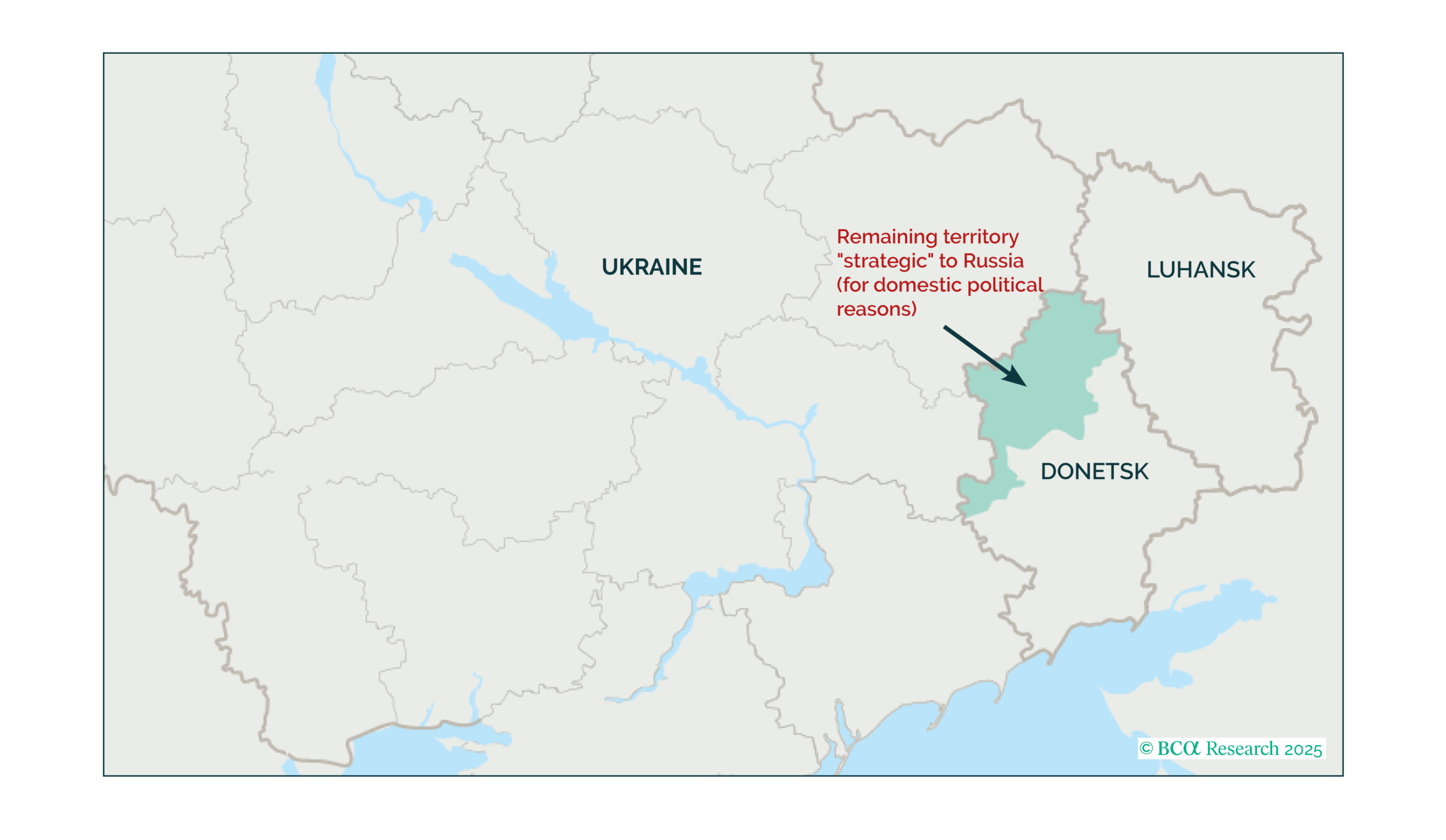
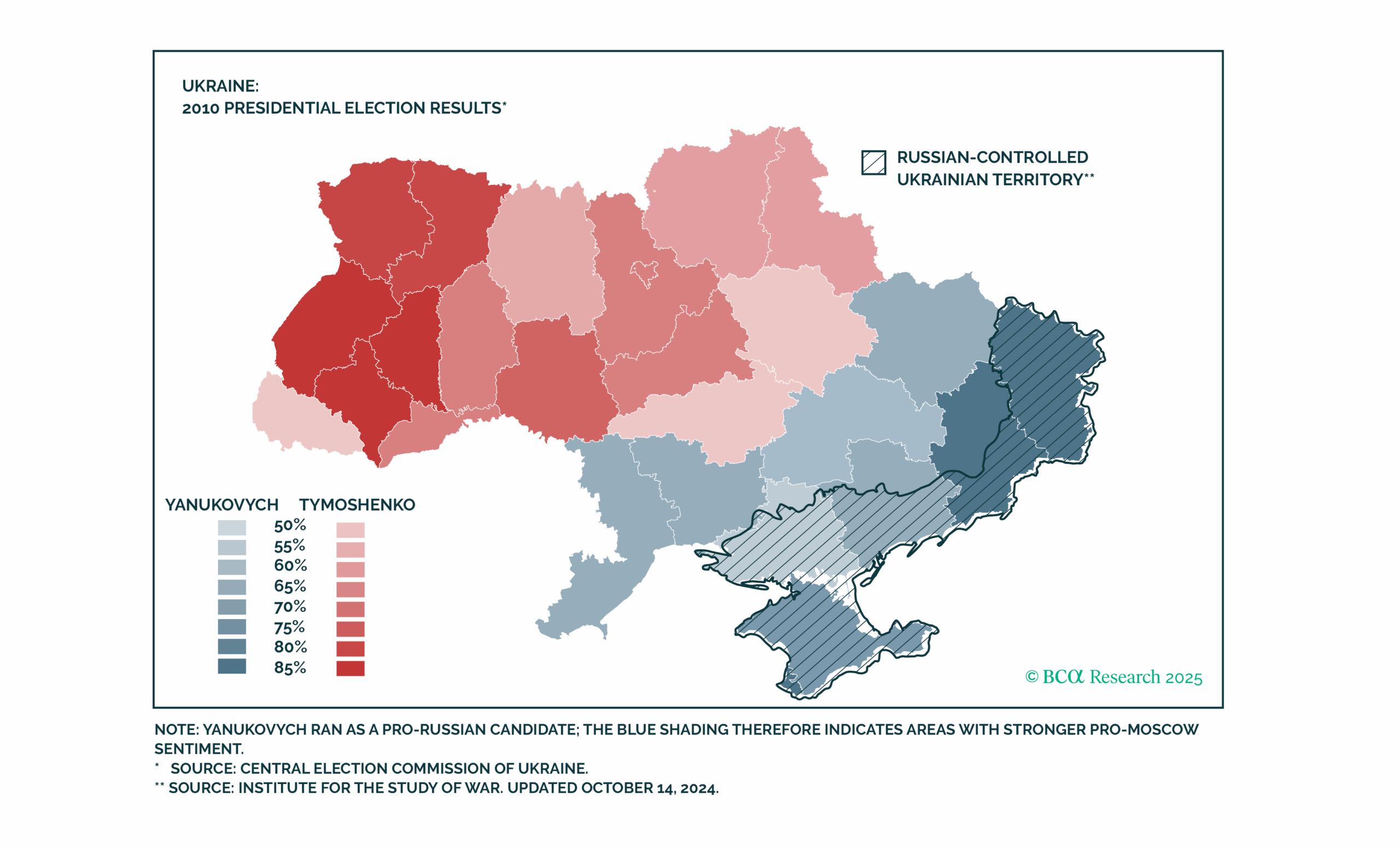
The Ukraine endgame is slowly moving from rumour to market narrative. Washington’s draft 28‑point plan anchors negotiations on the Donbas and formal security guarantees while capping Kyiv’s force levels in some versions; later revisions reportedly pared those maximalist Russian demands. Markets reacted quickly: oil and European natural gas eased, while defence equities lost some momentum as traders priced a “less bad” commodity backdrop. This has immediate FX implications. Commodity‑linked currencies such as the Canadian dollar and Norwegian Krone are likely to remain under pressure in the near term, while emerging‑market currencies could benefit if sanctions on refined Russian products ease. That said, the dominant investment case remains intact: Europe’s rearmament is structural and will not evaporate with a ceasefire, which argues for a medium‑term tailwind for the euro as fiscal outlays and integration continue.
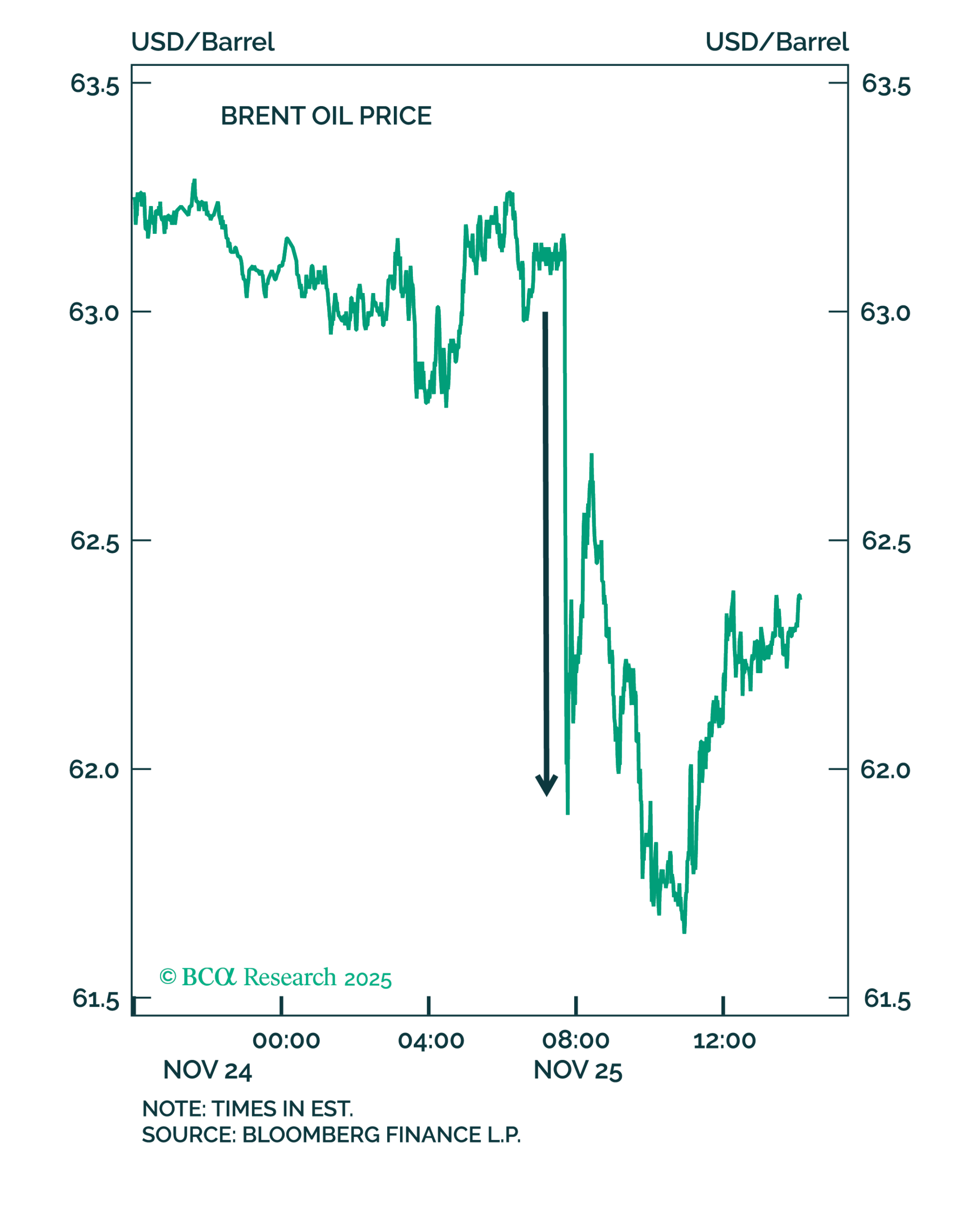
The oil complex itself is being managed lower. Over the weekend, OPEC+ held output steady through the first quarter of 2026 and approved a mechanism to reassess maximum sustainable production capacity ahead of new 2027 baselines – a move designed to calm quota politics and avoid exacerbating an expected 2026 glut. Brent crude bounced modestly on the decision, but the fundamental tone remains heavy. For FX desks, this tilts toward underperformance in petro currencies and supports lower headline CPI prints in energy importing economies, reinforcing central bank doves – provided geopolitical risk does not snap back.
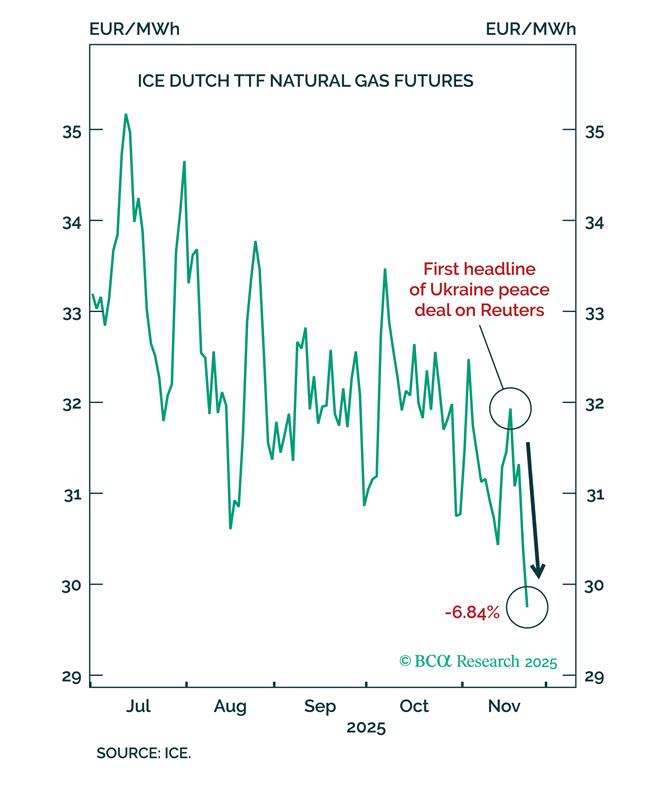
On the gas front, Europe’s TTF benchmark slipped below €30 per megawatt hour in late November amid mild weather and the perception that a Ukraine peace could prevent a total ban on Russian pipeline supply. Inventories remain lower than a year ago, but LNG inflows are healthy. Lower gas prices support Eurozone real incomes and cap industrial headwinds, a point that feeds into the ECB’s “good place” rhetoric on rates. For traders, softer gas reduces tail risk in the euro and supports peripheral spreads, even as year end liquidity thins.
The U.S. – China story is trickier. The November 24 Trump–Xi call signalled trade de escalation and reciprocal visits in 2026, but Beijing’s readout explicitly tied Taiwan’s “return” to the post war order – a narrative that keeps investors on edge. Meanwhile, Japan’s new Prime Minister Sanae Takaichi broke with decades of strategic ambiguity by saying certain Taiwan contingencies could justify Japanese military action, prompting a sharp Chinese backlash in the form of tourism restrictions, seafood bans, and incendiary rhetoric. To date, however, there has been limited military escalation. Analysts suggest that markets should watch how Beijing treats Japan in the coming weeks: muted pressure would imply détente, while stronger pressure would signal a test of Washington’s resolve. Either way, these developments represent fat tail risks for Asian FX. The yen remains the best crisis hedge if tensions spike, while the offshore yuan could firm if détente prevails.
Monetary policy is adding spice to the mix. The Federal Reserve heads into its December 9–10 meeting without fresh October or November CPI or payroll prints due to recent data delays, yet doves argue there is still enough surrogate data to justify a 25 basis point cut. Markets have priced high odds of a move, and this data fog has knocked the Dollar Index off recent highs while lifting risk sentiment. For FX, that means dollar softness into year end, with the yen supported if the Bank of Japan leans less accommodative on persistent Tokyo inflation, and the euro steadier as the ECB signals a long hold near neutral. Thin liquidity and rebalancing flows can amplify moves, so trade sizes should reflect December’s wider spreads.
Pulling it all together, the near term bias for the dollar is lower on policy easing and improved risk appetite, though sharp reversals remain possible on any Taiwan or Ukraine headline risk. The euro is supported by easing energy prices, rearmament related fiscal tailwinds, and an ECB on hold, with downside tails shrinking if gas remains benign. The yen is the best hedge against an Asia shock and could also benefit if the Bank of Japan tightens on sticky inflation. Commodity currencies such as the Canadian Dollar, Norwegian Krone, and Australian Dollar face near term drag from OPEC+ caution and softer energy prices, though this could reverse in the first quarter if peace headlines fade or Chinese demand revives. The offshore Chinese Yuan has upside potential if the planned April visit cements tariff détente, but downside risk if Beijing escalates against Japan.
The final weeks of 2025 are defined by a delicate interplay of geopolitics, energy dynamics, and monetary policy. A potential freeze in Ukraine, an easing of U.S. – China tensions, and OPEC+’s steady hand have softened commodity prices and lifted risk sentiment, while central banks navigate incomplete data and thin liquidity. For FX markets, this creates opportunity – but also heightened vulnerability to sudden shocks. Emerging markets, led by the rand, are enjoying a moment in the sun, yet exporters and importers alike face tough decisions as volatility lingers beneath the surface.
As we move into 2026, staying nimble is essential. Having a well structured Foreign Exchange Policy can be the defining factor in managing exposure, mitigating risk, and ensuring businesses remain in control of their currency strategy. In a world where uncertainty is the only constant, proactive planning is not optional – it is a competitive advantage!
